
 Spain · Summer 1614
Part of: The first sally · 1 of 2
1 · Puerto Lápice · 28 – 29 Jul
A vigil of arms at the castle (some call it an inn)


Trip details
- When
- 28 – 29 Jul 1614
- How long
- 2 days
- Who went
- Me and Rocinante
- Stops
- 2
- Getting around
- On Rocinante, and home across a donkey
In this story · 3 chapters
I rode the whole of that first day under a sun hot enough to soften iron, and nothing befell me worth recording, which grieved me, since I was impatient to try my arm. By evening Rocinante and I were both faint with hunger, and I was scanning the plain for any shelter at all when I saw, a little off the road, a building that rose before me like a promise kept.
I must be exact, since exactness is the first duty of a man who writes his own history. Others have called it an inn. What I saw was a castle with four towers, their pinnacles bright as polished silver in the last of the light, with a drawbridge and a moat and every ornament that such castles possess in the books. I halted at a respectful distance, expecting a dwarf to appear on the battlements and sound a trumpet for my arrival. No dwarf came. But a swineherd in a nearby stubble field blew his horn to bring in his pigs, and I accepted the signal with gratitude. I have since been told it was meant for the pigs. I see no reason it could not serve us both.
01 The ladies and the castellan
Two young ladies stood at the gate taking the evening air. When they saw a man in armour approaching with a lance, they took fright and turned to go in. I lifted my visor, showed them a face that was dusty but honest, and assured them that the order I professed forbade me to harm anyone, least of all damsels of their evident quality.
They laughed. I will not pretend they did not. They laughed until they had to hold on to each other, and I grew a little grave and remarked that laughter without cause does not become a lady. This, I regret to say, made them laugh more. I do not hold it against them. Ladies who live so far from the court are not used to being spoken to as they deserve.
Then the lord of the castle came out: a stout, peaceable man who, at the sight of me, very nearly laughed as well, but thought better of it, perhaps from courtesy, perhaps on account of the lance. He offered me a bed. I told him that a knight's bed is his armour and his rest is the fight. He replied, with real wit, that in that case his house would suit me perfectly, since nobody had ever slept well in it. I knew at once that he was a castellan of the old school.

The ladies helped me out of my armour, all but the helmet, which I had tied on with green ribbons in knots that would have needed a knife, and I would not allow the ribbons to be cut. So I dined in my visor. One lady fed me by hand, and the castellan, a man of resource, poured my wine through a hollow reed. The supper was salt cod, badly soaked and worse cooked, and bread nearly as black as my armour had been before I scoured it. I have rarely eaten better. When ladies serve a knight in a castle, the fish is the least of it.
02 The vigil
Still one matter weighed on me: I had not been knighted. After supper I drew the castellan into the stable, knelt before him, and refused to rise until he granted me a boon. He granted it before he knew what it was, which I took as proof of his nobility. I asked him to dub me knight at sunrise, and to let me keep the vigil of arms that night in his chapel.
He told me that in his own youth he had followed the profession of arms across half of Spain, in the ports and markets and other places where a young man learns the world, and that many magistrates still remembered him. His chapel, he said, was being rebuilt, but a vigil could lawfully be kept in any courtyard. Then he asked whether I carried money. I said none, having never read of a knight errant who did. He assured me I was wrong: the authors simply thought it too obvious to mention, like clean shirts and ointment for wounds, and every knight carried all three. I promised to amend my practice, and I set his advice down here for any young knight who reads this, since I have learned it is sound.
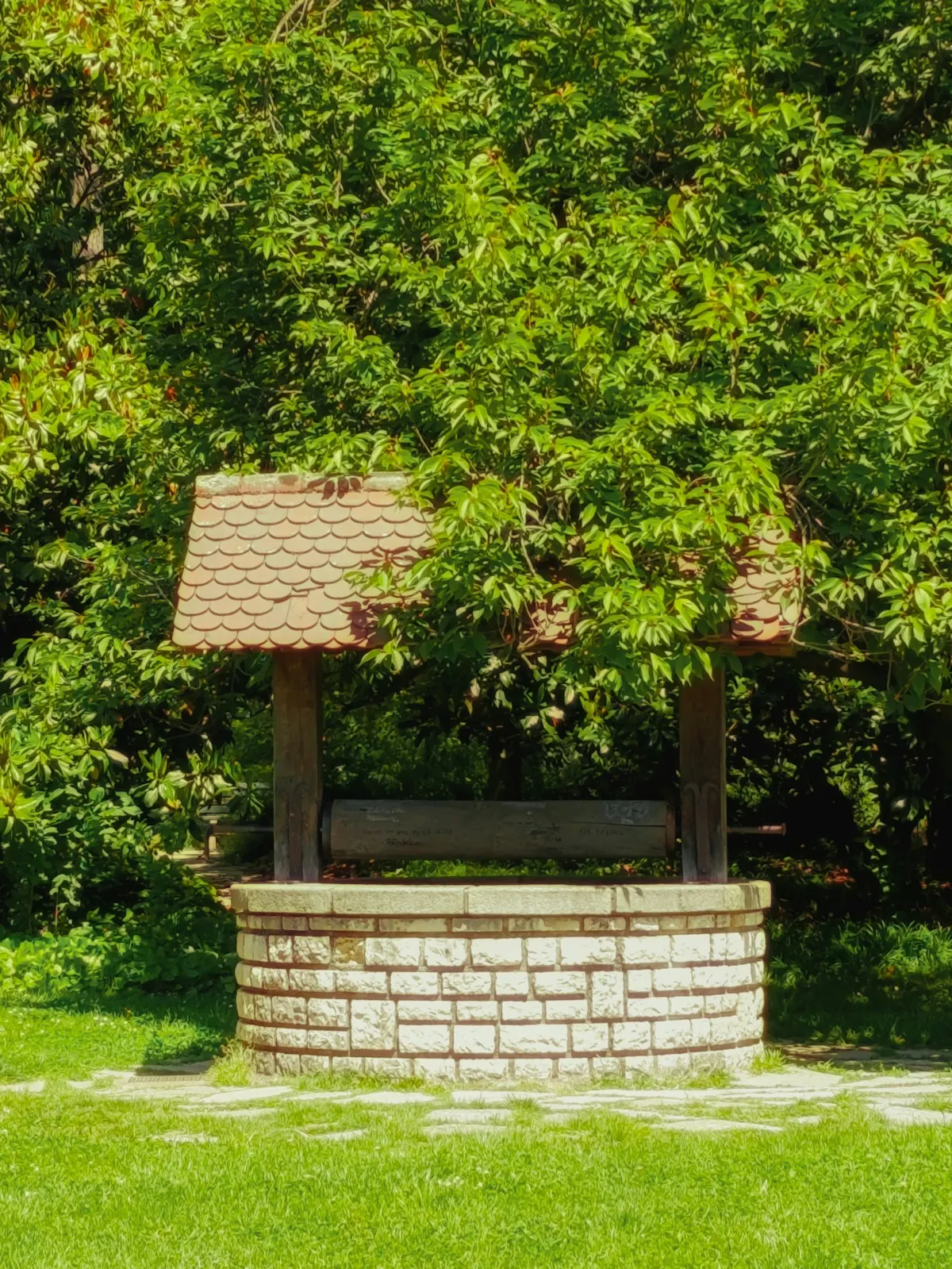
When the moon came up I laid my armour on the stone trough beside the well, took up my shield and lance, and began to pace before it with all the composure I could muster. The moon was so bright that every step I took was plain to see, and I noticed that the whole household had gathered at the windows to watch. I took it as a mark of respect.

A vigil is only a long night until someone tries to move your armour.
03 The muleteers
Some hours into my watch, a muleteer came out to water his animals, and to reach the trough he needed my armour out of the way. I warned him in a loud voice to consider whose arms he was about to touch, since the owner was ready to defend them with his life and with the man's own. He did not consider. He lifted the armour by its straps and slung it aside.
I looked up at the moon, asked my lady Dulcinea to stand by me in this first insult to the heart that was hers, and brought my lance down on the muleteer's head with both hands. He lay down rather suddenly. I gathered up my armour, returned it to the trough, and resumed my pacing as though nothing had happened.
A second muleteer came out a little later, knowing nothing of the first, and began to do the same. I did not trouble to warn him. I laid him beside his friend. The noise brought the whole house running, and the other muleteers, finding their companions on the ground, began to throw stones at me from a safe distance. I sheltered behind my shield and did not leave my post, since to abandon the armour would be to abandon the vigil. I told them they were a rabble, and told the castellan that a host who allowed his guests to be stoned was no true knight. The stones stopped. I believe my words had their effect.
The castellan, wishing perhaps to end matters before anything worse befell his muleteers, came out and apologised for their manners. He told me that the heart of the ceremony lay in a blow on the neck and a touch on the shoulder, which could be given anywhere, and that I had already watched far longer than the rules required. I believed him entirely. He was clearly well read in the ceremonial.
He brought out the ledger in which he recorded the straw and barley sold to the muleteers, and, with a boy holding a stub of candle and the two ladies at his side, he came to where I knelt. He murmured over the ledger as if reading a solemn prayer, struck me smartly on the neck, and then laid my own sword across my shoulder. One lady girded the sword on me with great poise and wished me fortune in battle. I asked her name so that I might know whom to honour; she said she was La Tolosa, a cobbler's daughter from Toledo, and I begged her henceforth to call herself Doña Tolosa, which she promised to do. The other fastened my spur, and she became Doña Molinera on the same terms.
So I was made a knight at last, by moonlight, in the courtyard of a castle, by a castellan who had seen the world. I could not wait for day. I saddled Rocinante, embraced my host, and thanked him in words I cannot now recall but believe were very fine. He answered with words equally fine and much shorter, and let me ride away without asking a penny for my lodging. That alone should silence anyone who still calls his house an inn.
Read nextAndrés, and the merchants of ToledoMy first morning as a knight, and my first two adventures.
To the sage who will write my history: there were four towers. If your sources count fewer, they were counted by enchanters, who cannot see past a pigsty.
An inn near Puerto Lápice