
 Spain · Spring 1615
Part of: The third sally, to Barcelona · 10 of 12
10 · Barataria · 10 Jun · day trip
Sancho Panza's account: ten days a governor


Trip details
- When
- 22 May – 9 Jul 1615
- How long
- 49 days
- Who went
- Me and Sancho Panza
- Stops
- 12
- Getting around
- 800 km on horse and donkey, and one enchanted boat
In this story · 3 chapters
Here my squire tells, in his own words, how he governed the island of Barataria. I gave him a great deal of advice before he left, and I am proud to say he followed nearly half of it, which is more than most governors do. (D.Q.)
Well. Here I am, and they tell me to write it down, so I'll write it down, though a pen sits in my hand like a spoon in a dog's paw. My master says to begin at the beginning. The beginning is that the Duke gave me an island, just as my master always promised, and if anybody says it was not an island but a village of a thousand souls with fields all around and no sea anywhere, I say an island is where the governor is, and I was there, so there.
They dressed me as a lawyer and put me on Dapple in silk harness (I insisted on Dapple, and they laughed, but a man who leaves his friend at the door goes in alone), and at the gate the bells rang and the people gave me the keys. Then they sat me in the courthouse chair and told me the custom was that a new governor must judge some hard cases on the first day, so the people could tell whether to be glad or sorry. Well, said I, ask away. Every pot has its lid, and every question has its answer, if the cook is in the kitchen.

01 The cases I judged
First came two old men. One had a cane, the other none. The one without the cane said he had lent the other ten gold crowns, a long time ago, and asked for them back, and the other swore he had paid him, and the man said, very well, let him swear it before the governor and I'll forgive the debt. So the one with the cane handed his cane to the other old man to hold, as if it were in his way, and put his hand on my staff of office, and swore that he had given the money back into the other's hands and that the other must have forgotten. Then he took back his cane and went out, as calm as a cat on a warm wall.
Now I sat there and thought. Why hand the cane over to swear? It's not a hat. So I called him back, gave the cane to the lender, and said: go with God, you're paid. They all looked at me as if I'd lost my wits, so I had the cane broken open, and out came the ten gold crowns, hidden in the hollow. He had given them back into the man's own hands while he swore, you see, and taken them away again after. Clever. But the fox that knows many tricks still ends up a fur on someone's collar. The people said I was a second Solomon. I said I'd seen a priest tell a story like it once, and a good memory is worth more than a good education, which I haven't got.
Next came a woman holding a herdsman by the collar and shouting fit to wake the dead. She said he had wronged her in a field and taken from her what she'd kept safe for twenty-three years, and she wanted justice. The herdsman, a big lump, said he'd sold some pigs that day, and yes, he'd met her, and yes, they had agreed on a little business, and he'd paid her, and now here she was making a play of it. I asked him how much money he had on him. Twenty silver ducats in a leather purse, he said. Give it to her, said I. He did, groaning like a man losing his liver, and off she went blessing me.
When she'd gone, I told the herdsman to run after her and take the purse back, by force if he had to. Off he went. A little later back came the two of them, she with the purse held to her chest in both arms and he red in the face and his shirt torn, and she crying that this villain had tried to rob her in the open street before the governor's very eyes. Did he get it? I asked. Get it? said she. He'd sooner get my life than this purse. A hen guards her chick less. So I told her: sister, if you'd defended the other thing half as well as you've defended that purse, Hercules himself couldn't have taken it. Give him back his money and get out of my island. Which she did. I won't say more, because my master says I am to keep this part decent, and when my master says a thing he says it twice.
02 The doctor who starved me
Now here is the hard part of governing, and nobody tells you this when they promise you an island. They sat me at a table loaded with every kind of dish. A little gentleman stood beside my chair with a whalebone rod in his hand, and every time I reached for something he touched it with his rod and a servant whisked it away. Fruit, too much moisture. The stewed meat, too much spice. The partridges, Hippocrates forbids them. A great steaming pot of meat and sausage and chickpeas, the best thing on God's earth, and he said that was the worst of all for a governor. I asked him what in heaven's name I could eat. Some wafers, he said, and a few thin slices of quince.
His name was Doctor Pedro Recio of Agüero, from a place called Tirteafuera, and I told him if he didn't get out of my sight I'd take a club and begin with him and go on until there wasn't a doctor left on the island. He went a little pale but he didn't go, because the Duke paid him. That's the thing about governors: everybody is paid to stand beside you except the people who'd let you eat.
A crust of bread with my own Dapple is worth more than a roast partridge with a doctor standing over it.
For days I lived on fruit and water and orders. I made good laws, I'll say that. I fixed the price of shoes, which were robbing people. I put a stop to the hawkers who shouted lies about their wares. I made a rule that wine should come honestly from where the seller said it came from. My master says these things show I had some sense. I say you don't need sense to see that a hungry governor is a bad-tempered one, and a full one is half a saint.
03 The invasion, and going home
On the seventh night, or the eighth, I was in bed, full of nothing, when such a noise of bells and trumpets and drums broke out that I thought the world was ending. People rushed in shouting, To arms, to arms, my lord governor, the enemy has entered the island! And they brought two great shields and tied me in between them, one in front and one behind, like a tortoise in its shell, or a ham between two boards, and put a lance in my hand, and told me to lead them.
Lead them! I couldn't bend my knees. I took one step and fell flat, and there I lay like a turtle on its back, while the whole army ran over me, and stood on me, and one of them climbed up on top of me and shouted orders from there as if I were a tower. They fought over my poor body, and I prayed and sweated and swore never to govern anything again but my own donkey. At last someone shouted Victory! and they untied me and wanted to congratulate me. I didn't want congratulations. I asked for a drink of wine, and wiped my face, and said nothing at all, and went to the stable.
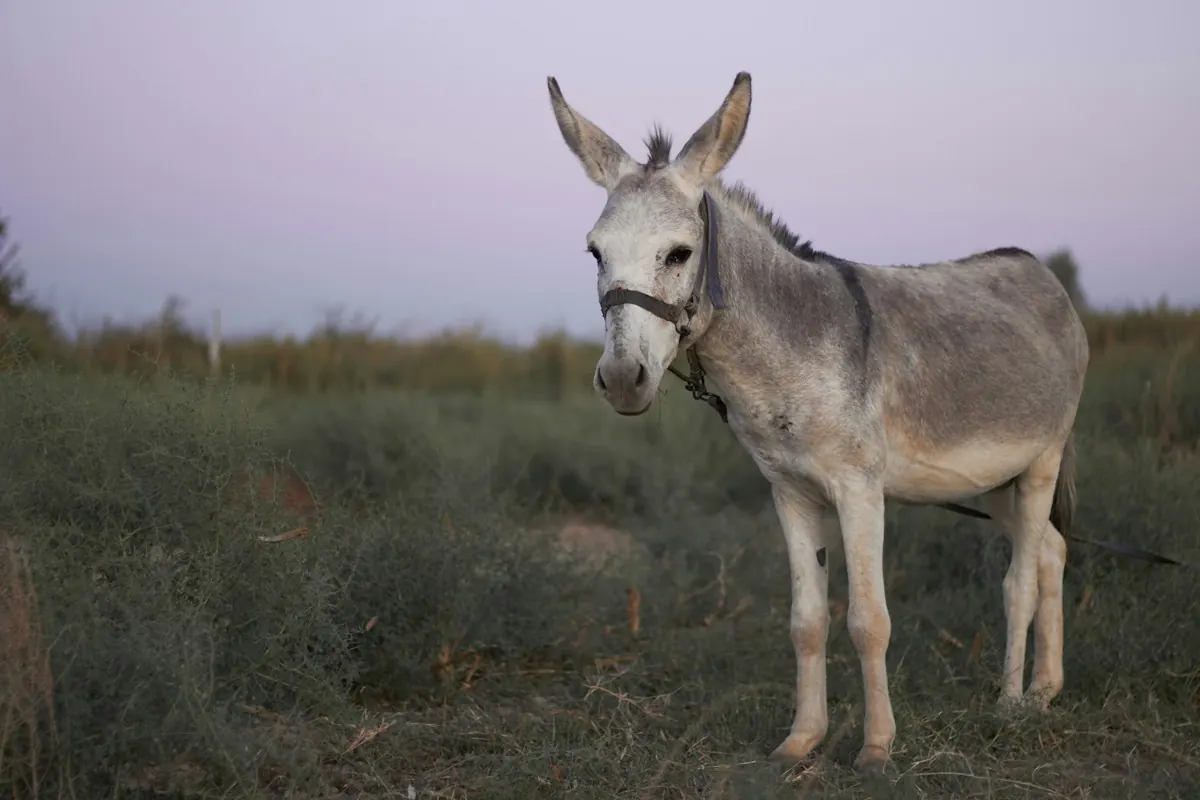
Dapple was there. I put my arms round his neck and kissed his forehead, with tears I'm not ashamed of, and told him that when it was just the two of us, the worst trouble I had was a broken strap and an empty manger, and I'd sleep like a bishop. Ten days a lord and I hadn't slept one night through. Then I saddled him, and they all stood round watching in silence, and I told them: let me by, gentlemen. A sickle fits my hand and a staff of office doesn't. I came to this island with empty pockets and I'm leaving with empty pockets, so nobody can say I robbed it, which is more than most governors can say.
I asked for a bit of barley for Dapple and half a cheese and half a loaf for me, and that was all I took from my island.
So that was ten days a governor. My master says Barataria will be talked about for a long time. Maybe. What I know is this: a sheep's tail is better than a lion's head, if the sheep is yours and the lion belongs to a duke.
And I add for Cide Hamete Benengeli, in my own hand, that every word my squire has written here is true, including the parts he has left out. (D.Q.)
The island of Barataria