
 Spain · Spring 1615
Part of: The third sally, to Barcelona · 12 of 12
12 · The road home · 3 – 9 Jul
The road home


Trip details
- When
- 22 May – 9 Jul 1615
- How long
- 49 days
- Who went
- Me and Sancho Panza
- Stops
- 12
- Getting around
- 800 km on horse and donkey, and one enchanted boat
In this story · 3 chapters
We left Barcelona with no music. I rode Rocinante without my armour, which was tied on Dapple's back like a bundle of old pots, and Sancho walked beside his donkey, which he said was only fair, as Dapple was now a knight's warhorse and he, Sancho, a disarmed knight's squire, and someone had to come down in the world. I made him stop at the place on the beach where I had fallen. This sand, I told him, is where my luck failed me; my courage was here too, and did not. Sancho said it was a very ordinary piece of sand, and asked whether we might go on, as he was hungry.
I will not pretend the first days were cheerful. A knight forbidden his arms is like a bird with its wings bound, who can see the sky and cannot use it. I rode for long hours without speaking. Sancho tried everything. He told me stories, he told me proverbs, he told me that in a year I would be younger by a year of rest, which made no sense and which I found consoling nonetheless. He said a man who falls on the road is better off than one who never sets out. I think he said these things for me.
01 The pigs
One night we had stopped among some trees, off the road, and were resting, I with my thoughts and Sancho with his snores, when a dull roaring sound began to grow in the distance, coming nearer, a sound of grunting and trotting and squealing. Before either of us could rise it was upon us: a herd of more than six hundred pigs, which some dealers were driving to a fair by night. They passed straight over us like a flood. They trampled Sancho, they knocked down Dapple, they ran between Rocinante's legs, and they rolled over me as if I had been a stone in a stream. It went on for some time, and then they were gone, and the night was quiet again, and smelled very strongly of pig.
Sancho got up in a fury and asked for my sword so that he could kill half a dozen of those impolite gentlemen. I told him to leave them in peace. A beaten knight, I said, must expect the whole lower creation to walk over him, and tonight it was the pigs' turn; heaven sends the humbling a defeat deserves. Sancho said that by the same reasoning heaven must also be punishing defeated squires with fleas, for he had never been so bitten in his life. Then he lay down again, a little further from the road, and slept, for there is no grief, he says, that a good sleep won't shrink to half its size.
02 Quixotiz and Pancino
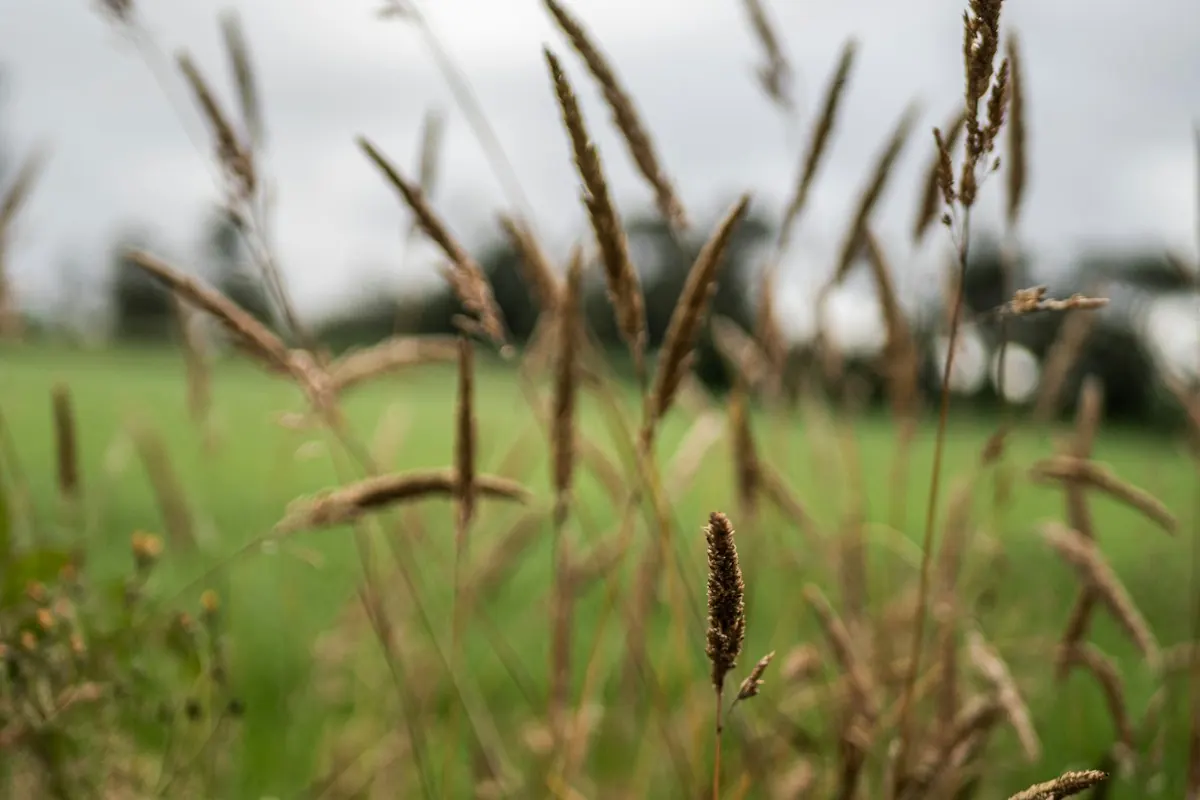
Some days later, in a meadow where shepherds had once sung, I had an idea which brought the colour back into my face. If I must not ride out as a knight for a year, I said to Sancho, I could at least be a shepherd. The books of shepherds are almost as noble as the books of knights. We would buy a small flock, and crooks and pipes, and wander the hills singing of our ladies, with a spring for our wine cellar and a hillside for our bed.
I would call myself the shepherd Quixotiz, and he would be the shepherd Pancino. The priest could come with us, as the shepherd Curiambro; the bachelor Sansón Carrasco would be the shepherd Sansonino, or perhaps Carrascón; the barber Nicolás would be Miculoso. Each of us would choose a shepherdess to sing to. Mine, I said, needs no new name, for Dulcinea is a name for shepherd and for princess alike. Sancho said his wife Teresa would be Teresona, being fat, and that he would carve spoons, which shepherds always need, and that he hoped the sheep would be kept somewhere near a kitchen.
He also said, after a while, that his daughter Sanchica would bring our dinner out to the pasture. Then he stopped and said perhaps not, she being a pretty girl and shepherds not all being as respectful as some. You see how he thinks of everything. I told him a squire who worries about his daughter has a better heart than half the dukes of Spain, and he went red, and walked on in front of Dapple for a while.
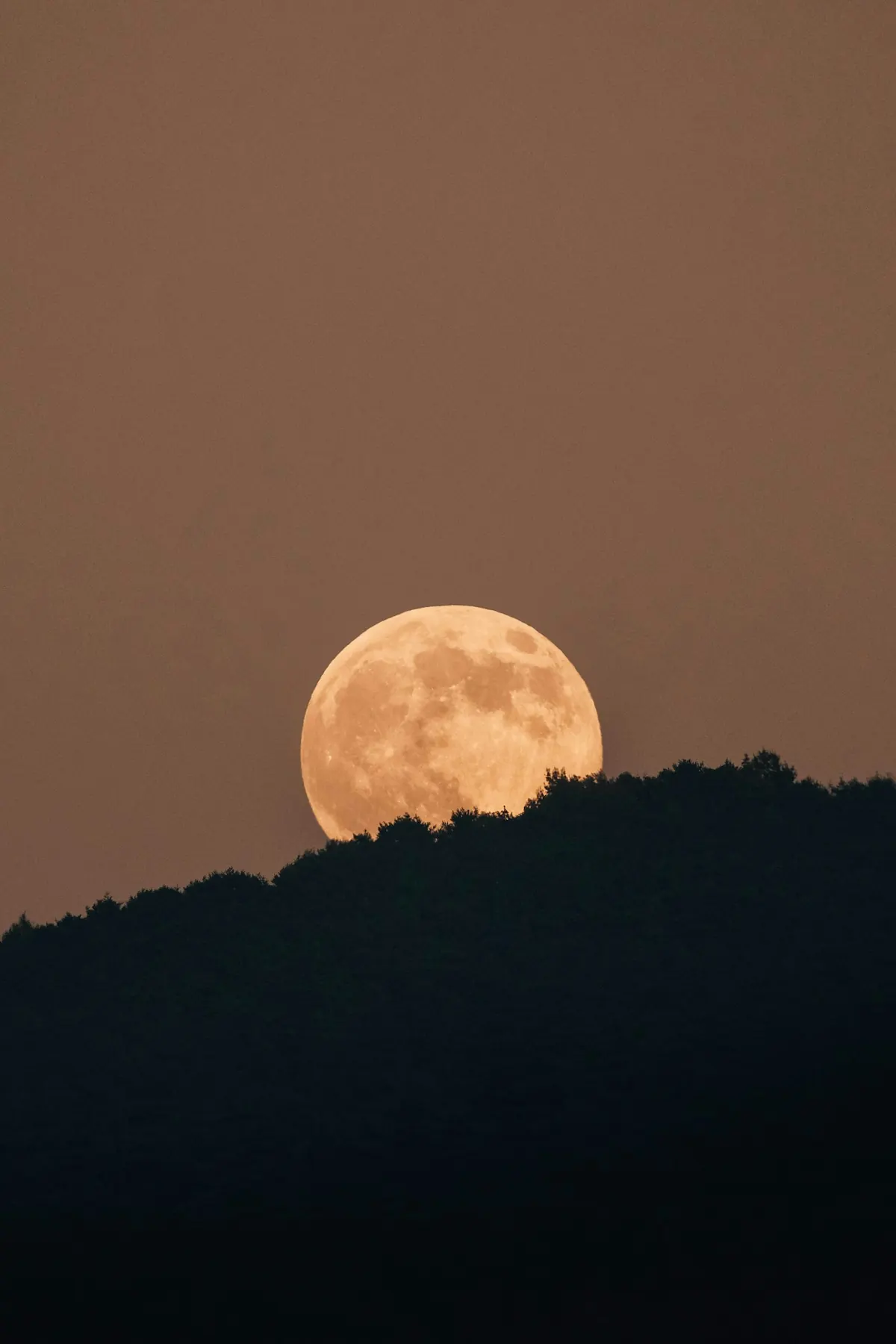
That night I could not sleep, and I sat up looking at the moon, which hung over a dark ridge like a lamp someone had left burning. I thought how many knights before me had looked at that moon, Amadís in his penance on the Poor Rock, Roland in his madness, and how none of them had seen it from the road home. I thought of Dulcinea, who is still enchanted, and how I would disenchant her if I had to sing every song in the pastoral books to do it.
03 The village from the hill
At last, coming up a slope one afternoon, we saw it: our village, the same as ever, low and white, the church tower, the threshing floors, the smoke rising from the kitchens, the fields around it gold and brown. Sancho dropped to his knees in the road and made a speech to the village, as if it could hear him. He told it that its Sancho was coming home bruised but not empty-handed, for the Duke's people had been generous, and that it was getting back its knight as well, beaten by another man's lance but master of his own temper, which, said Sancho, is the harder fight of the two.
I told him to stop that nonsense and get up, and let us go into our village like decent men, and there turn our thoughts to the shepherd's life. But I will confess here what I did not confess to him: I sat still on Rocinante for a long moment and looked at those roofs, and at the road that runs down to them, and I was very tired, and very glad.
Read nextHow I became a knightWhere it began: the same village, the same road, a younger knight going the other way.
To Cide Hamete Benengeli: here the third sally ends, at the top of a hill, with the village in sight. Leave it there for now, I beg you. A wise chronicler knows when to put down his pen and let a tired knight ride the last mile alone.
The road back to La Mancha