
 Spain · Spring 1615
Part of: The third sally, to Barcelona · 1 of 12
1 · El Toboso · 22 – 23 May
A palace in El Toboso

Trip details
- When
- 22 May – 9 Jul 1615
- How long
- 49 days
- Who went
- Me and Sancho Panza
- Stops
- 12
- Getting around
- 800 km on horse and donkey, and one enchanted boat
In this story · 3 chapters
It is a strange thing, and I set it down with a heavy heart, that a knight may cross half of La Mancha to kiss the hands of his lady and come away having kissed nothing but the dust in front of a donkey. Yet that is what befell me in El Toboso, and since the sage who keeps my history will hear of it one way or another, I would rather he heard it from me.
Sancho and I came within sight of the town at dusk, three days out from our village, having left it with the blessing of nobody but ourselves. I resolved that we should not enter until dark. A knight ought not to present himself to his lady powdered with the dust of the road like a carter; and also, I confess, my heart was knocking so loudly against my breastplate that I did not wish the townsfolk to hear it. So we waited among some oaks outside the town until the bells told midnight, and then we rode in.
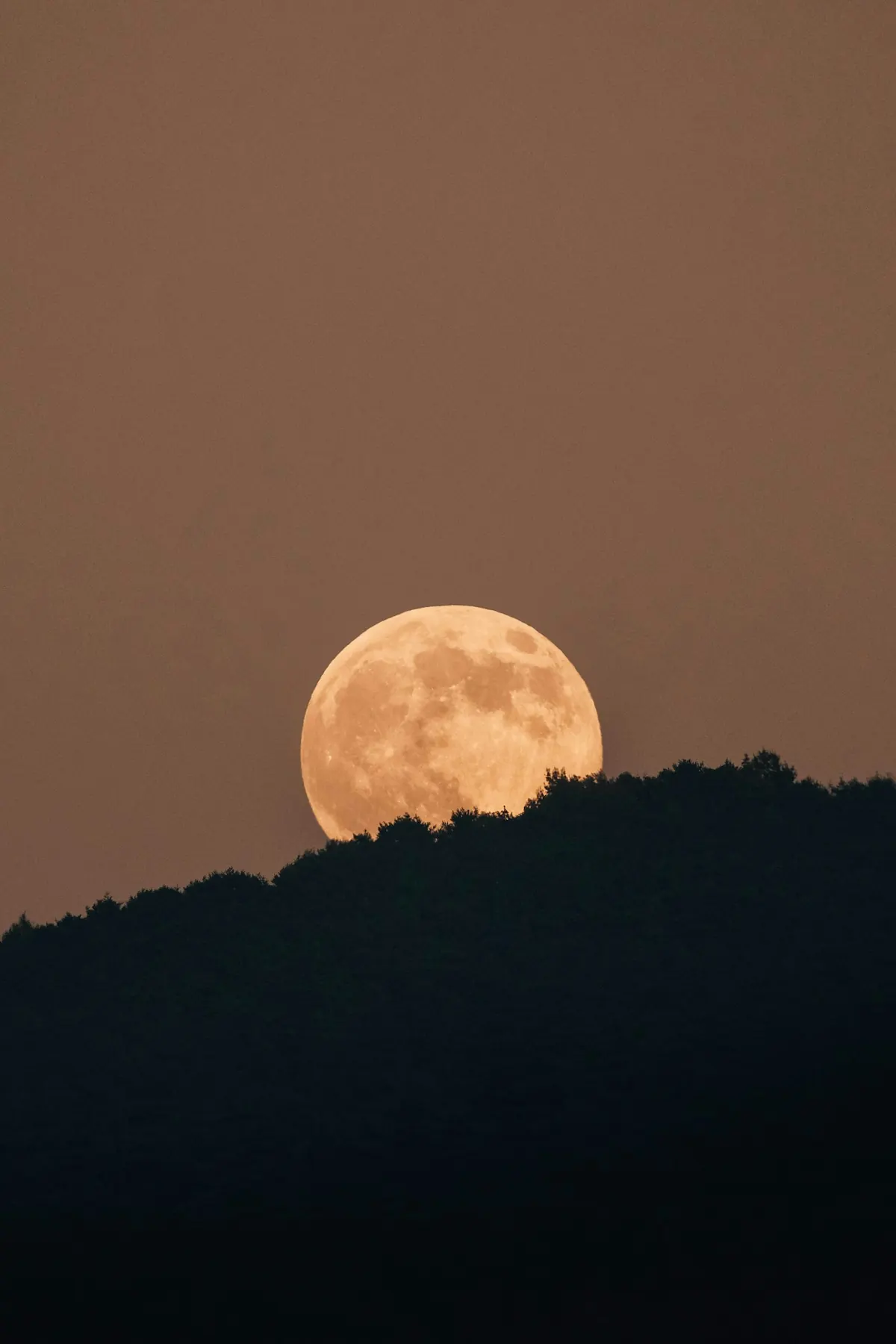
01 A search by moonlight
El Toboso at midnight is a quiet place. A few dogs gave us their opinion of us. A donkey somewhere in a stable called to Dapple, and Dapple answered, and I begged Sancho to ask his beast to save its conversation for the morning. Then I told him to lead me to the palace of the peerless Dulcinea.
Here Sancho made a difficulty. He said he did not know where it stood. I reminded him, with some warmth, that he himself had carried my letter to her from the Sierra Morena not a year before, and had found her in her courtyard sifting wheat, or rather (as I have always understood it) performing some noble pastime of her house that looked like sifting wheat to a plain man's eyes. He said he had found the house by daylight, and that houses look different at night. I said a palace is a palace by sun or by moon. He said that in El Toboso, as far as he could tell, every house was a palace by night, being dark and shut, and not one of them was a palace by day.
We went up one lane and down another. At last I saw a great dark mass rising over the roofs, with a tower at its shoulder, and my heart leapt. “There, Sancho,” I said, “is the alcázar of my lady.” We rode towards it, and it was the church. “We have come upon the church,” I said, and I own that I said it sadly. Sancho answered that it was no small thing to find a church at that hour, since in his experience a man who goes looking for a lady at midnight seldom ends up anywhere so respectable. I did not reply. It is beneath a knight to quarrel in a churchyard.

A labourer passed us then, going early to his field with two mules. I asked him courteously where I might find the palace of the princess Doña Dulcinea del Toboso. He said he was a stranger, lately come to work for a rich farmer there; that he had heard of no princesses in El Toboso, though there were ladies enough, each of them a princess in her own kitchen.
Sancho then counselled that we leave the town before daybreak and hide in a wood nearby, and that he should come back alone by daylight to find the palace and bring me word. I thought this counsel very sound and said so. I have since wondered whether it was not a little too sound.
02 Three ladies on three palfreys
I waited in the wood most of the morning, until Sancho came back at the gallop on Dapple, which is to say at a brisk walk, calling to me to come out at once, for the lady Dulcinea was riding towards us with two of her damsels to see me.
I asked him what she wore. Cloth of gold, he said, and strings of pearls, and her hair loose upon her shoulders like rays of the sun playing with the wind, and she and her ladies were mounted on three dappled palfreys, the finest that ever trod the earth. I gave him on the spot the three foals my mares would bear that year, as I had promised him for good news, and he accepted them with a readiness I noted at the time and thought nothing of.
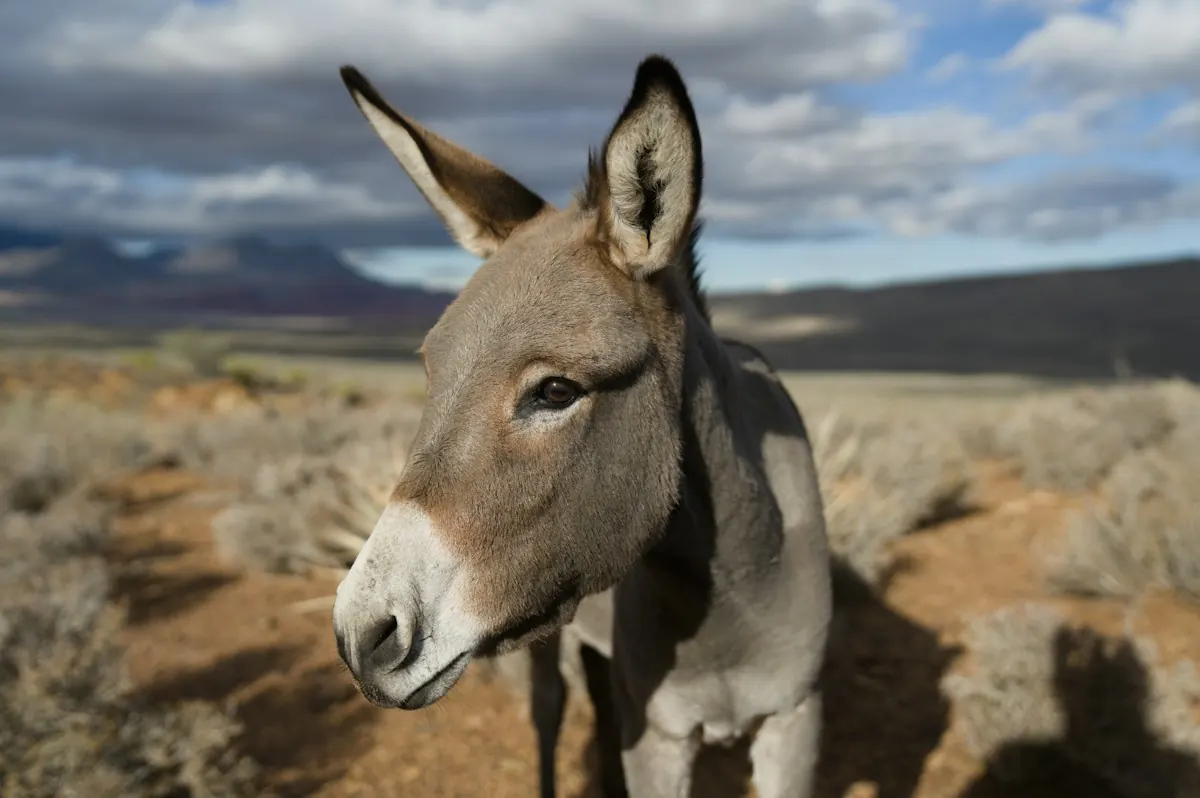
We came out of the wood onto the road, and there, coming towards us from El Toboso, were three country girls on three donkeys. I looked up the road and down it. “Where is she, Sancho?” I said. He stared at me in amazement and asked whether I had left my eyes in the back of my head, since there she was before me, shining like noon.
I said I saw only three peasant girls on three donkeys. He swore by his grandfather's beard that they were palfreys as white as the snow on the sierra, and before I could stop him he had leapt off Dapple, seized the halter of the first donkey, and gone down on his knees in the road. “Most high and sovereign lady,” he cried, “here kneels your knight, gone stiff as a gatepost at the sight of you; look kindly on him, your highness, for he has not eaten a thing since yesterday on your account.”
There was nothing for it. I knelt beside him. I looked with every eye in my head at the lady he called Dulcinea, and I saw a round-faced country girl with a snub nose, and — I must be truthful, for truth is the mother of history — there came from her a breath of raw garlic that went straight to my heart, though not in the manner the poets describe.
The girl told us, in no courtly language, to get out of the road and let honest folk pass, for they had business. Sancho said some more fine things. She said some more coarse ones. Then she jabbed her donkey with a pointed stick, the beast bucked, and my lady went over its tail onto the ground. I ran to raise her; but she would have none of my help. She stepped back a few paces, ran at the donkey, set both hands on its rump, vaulted into the saddle astride like a man, and the three of them were away down the road at a pace a falcon might envy, and not one of them looked back.
Sancho watched them go and said, with great feeling, that he had never in his life seen a lady jump like that, and that if she ever tired of being a princess she could hire herself out to the bullfighters. He said he had particularly noticed a mole above her lip, with seven or eight golden hairs on it as long as a man's hand. I said that a lady so perfect could have no blemish that was not also an ornament, and that such a mole would be the envy of every court in Christendom. He agreed, and looked at his boots.
03 What the enchanters have done
Then I understood, and I will tell you what I understood. The malicious enchanter who has persecuted me since my first sally, not content with turning giants into windmills and armies into sheep, has now laid his hand on the one thing I hold dearest. He let Sancho see my lady as she truly is, since Sancho is a plain man and not worth deceiving, and he drew a cloud over my eyes alone, so that I should see the fairest lady in the world as a farm girl and smell amber and musk as garlic.
Sancho agreed with all of this very warmly. Indeed he cursed the enchanters with a passion that did him credit, calling them a pack of mangy curs and wishing he might see them strung up by the gills like sardines on a stick. Then he went off to tighten Dapple's girth, which did not need it, and I heard him laughing behind the donkey: the nervous laughter, I took it, of a man who has looked upon great beauty.
Twice on the road that afternoon he asked me whether I was quite certain I had seen a country girl and not a princess. Each time I said I was certain, and each time he looked so relieved and so sorry at once that the second time I embraced him for his loyalty. He said that a squire's life was a hard one, and that a man's tongue can lead him into ditches his feet would never have found on their own.
I rode away from El Toboso with my lady enchanted and my vows untouched. I shall find the means to lift this spell if I have to search every book of chivalry ever printed and ride into every cave in Spain.
Read nextWhy I rode out a third timeHow a book about me sent me back onto the road.
Sage Cide Hamete, when you come to this chapter, set it down plainly: the lady was enchanted, the squire was loyal, and the knight was not deceived for a moment. Any chronicler who says otherwise was not in the road that morning.