
 Spain · Spring 1615
Part of: The third sally, to Barcelona · 8 of 12
8 · The Ebro · 3 Jun · day trip
The enchanted boat

Trip details
- When
- 22 May – 9 Jul 1615
- How long
- 49 days
- Who went
- Me and Sancho Panza
- Stops
- 12
- Getting around
- 800 km on horse and donkey, and one enchanted boat
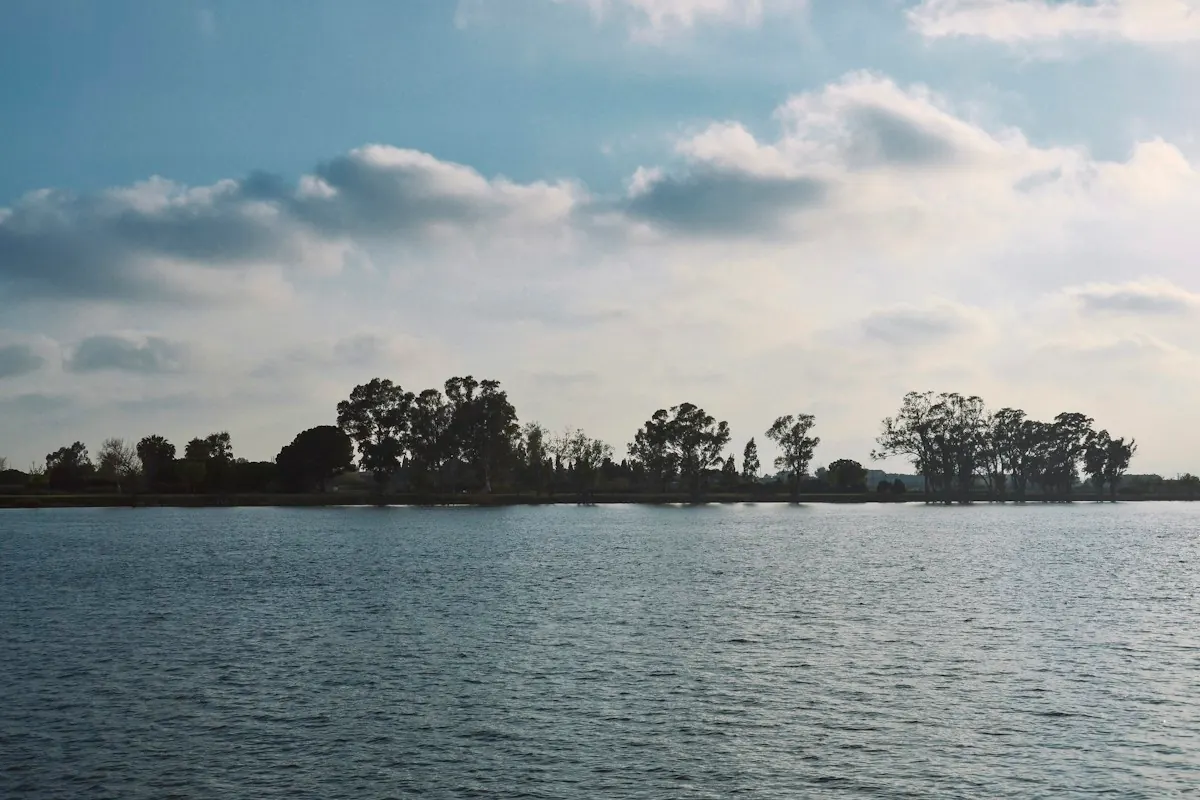
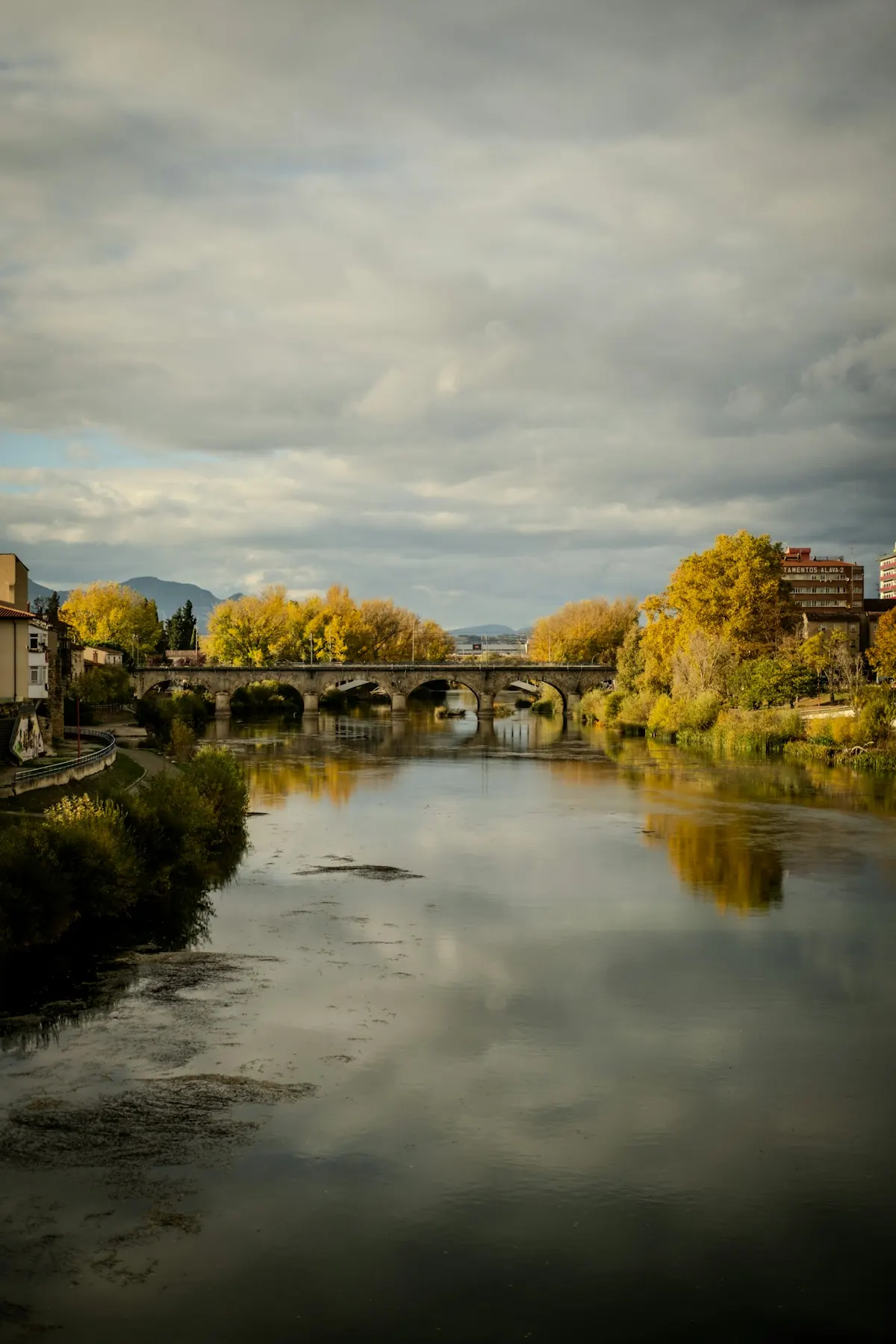
It fell out that soon after we left Master Pedro's inn we came down to the banks of the Ebro, and I confess the sight lifted my heart. It is a broad and noble water, slow and clear, moving like poured silver between poplars, a river made on purpose for adventures.
Tied to the trunk of a tree at the water's edge we found a small boat, without oars, without a sail, without a soul in it. Any reader of the histories knows what this means. When some knight or lady of high degree lies in peril, a friendly enchanter sets a boat at the bank, and the knight who steps into it is carried two or three thousand leagues in the time it takes to say a creed. Amadís travelled so, and many others.
Sancho had not. He said, and I set it down faithfully, that the boat belonged to some fishermen of the river who had gone off to eat their dinner, and that a man who climbs into another man's boat is called something other than a knight in the courts of Aragon. I told him that a squire's duty was to obey and not to argue, and that he would understand the matter better when we were at the far end of the world.
We tied Rocinante and Dapple to a willow. Here Sancho wept, I will not hide it, as if he were leaving his donkey for the wars of Flanders, and Dapple brayed after him most piteously. Rocinante, a horse of better breeding, bore our parting in silence. Sancho cut the rope with his knife, and the current took us gently out from the bank.
When we had gone, by my reckoning, a great many leagues, I asked Sancho to search his leg, for the navigators of Spain say that every louse on a man dies when he passes the line of the equator, and by this sign we should know how far we had come. He searched, and reported that he was as well populated as ever, and further that he could still see Rocinante and Dapple quite clearly, not two stones' throw away. I told him his eyes were enchanted. He said the same of mine.
Then there rose before us, in the middle of the river, a great building with wheels that turned and roared. I knew it at once for a castle or fortress where some knight lay prisoner, or some queen or princess wrongly held, and I called to Sancho to make ready. He said it was a set of water mills for grinding corn. I did not answer him, for I had seen the garrison: men came running out upon the mill with long poles, their faces and clothes all white with flour, shouting at us in a most uncivil manner. They looked like nothing so much as phantoms.
I stood up in the boat, drew my sword, and told these goblins to release their captive or feel my steel. They answered by thrusting their poles at our boat, which the current was carrying straight into the wheels. Whether they were defending their castle or saving our lives I leave to the reader. The boat struck and turned over, and Sancho and I went into the Ebro. Armour is a poor companion in deep water, and the millers had to haul us both out like two drowned cats.
On the bank appeared the fishermen, owners of the boat (or so they said), demanding payment, for the wheels had broken it into kindling. I paid them fifty reales without dispute; Sancho handed the coins over one at a time, as if each one were a tooth. Then I turned to the mill and said, loudly enough for any captive within to hear, that I could do no more. Two enchanters were plainly at war over this adventure, the one sending me the boat and the other casting me out of it, and between two such powers even a knight errant may be pardoned for getting wet.
We went back to our animals. Dapple was overjoyed. Sancho said that this was the last boat he would ever ride in, unless it carried him to his island.
To the wise Cide Hamete Benengeli: you may write that the knight was wet, but please write also that he was willing. A dry knight who never stepped into the boat deserves no chapter at all.
The banks of the Ebro