
 Spain · Summer 1614
Part of: The second sally, with Sancho Panza · 6 of 10
6 · The fulling mills · 26 – 27 Aug
The fulling mills, and Mambrino's helmet

Trip details
- When
- 20 Aug – 14 Sept 1614
- How long
- 26 days
- Who went
- Me, Sancho Panza, Rocinante and Dapple
- Stops
- 10
- Getting around
- On horse and donkey, home by ox-cart
In this story · 4 chapters
The night after the battle of the two armies was so dark that I could not see the end of my own lance. We had eaten nothing but what was left in Sancho's saddlebags, and we were dying of thirst, when we heard in the blackness ahead of us the sound of falling water. We went towards it gladly. But we had not gone two hundred paces when another sound reached us, mingling with the water, and stopped us both where we stood.
It was a hammering. Great slow blows, regular and heavy, with a clanking of iron and chains between them, as if some forge of the underworld were at work just over the hill. The wind sighed in the trees, the water roared, and under it all the blows went on, thump, and thump, and thump, never hurrying and never stopping. I will not pretend it was a cheerful sound. Sancho, who has a stout heart in the daytime, began to shake so that I could hear his teeth.
01 A knight is born for nights like this
I told him to tighten Rocinante's girths. “Sancho,” I said, “I was born by the will of heaven in this age of iron to bring back the age of gold. I am the one for whom great perils are kept. This darkness, this silence of the trees, this unheard-of din, any one of these would frighten Mars himself. Wait for me here three days, and if I have not come back, go to El Toboso and tell my lady Dulcinea that her captive knight died attempting deeds that would have made him worthy to be called hers.”
Sancho wept and begged me not to go. He said no one would see me do it, so the glory would be wasted; that it was a sin to tempt God; that he had left his wife and children to serve me, and this was a poor return; that he did not want to be left alone in a place where the very hammers were hostile. He offered me a great many proverbs, including one about the man who goes looking for wool and comes home shorn. I was moved, but not persuaded. I touched Rocinante with my spurs.
Rocinante did not move. I spurred him again. He did not move. He shuffled a little, from foot to foot, but he could no more go forward than a church can. I was astonished, and then I understood: enchantment. Some sage who did not wish me to win this adventure had fixed my horse to the ground. Sancho agreed with me warmly. He said heaven itself, moved by his tears, had ordained that Rocinante should not stir, and that there was no use quarrelling with heaven, or kicking it either.
I learned only at dawn, and from his own mouth, that while I was making my speech he had quietly tied Rocinante's hind legs together with the halter of his donkey. He told me this with every sign of pride. I record it so that the reader may admire how far the enchanters' arts reach, since they were able to borrow even the hands of my own squire, and so that Sancho's conscience, if he has one, may be at least partly relieved, since he was certainly not acting by himself.
02 Sancho's story
Since we could not go forward, and since dawn was some hours off, I asked Sancho to tell me a story to pass the time. He said he knew the best story in the world, and began as follows.
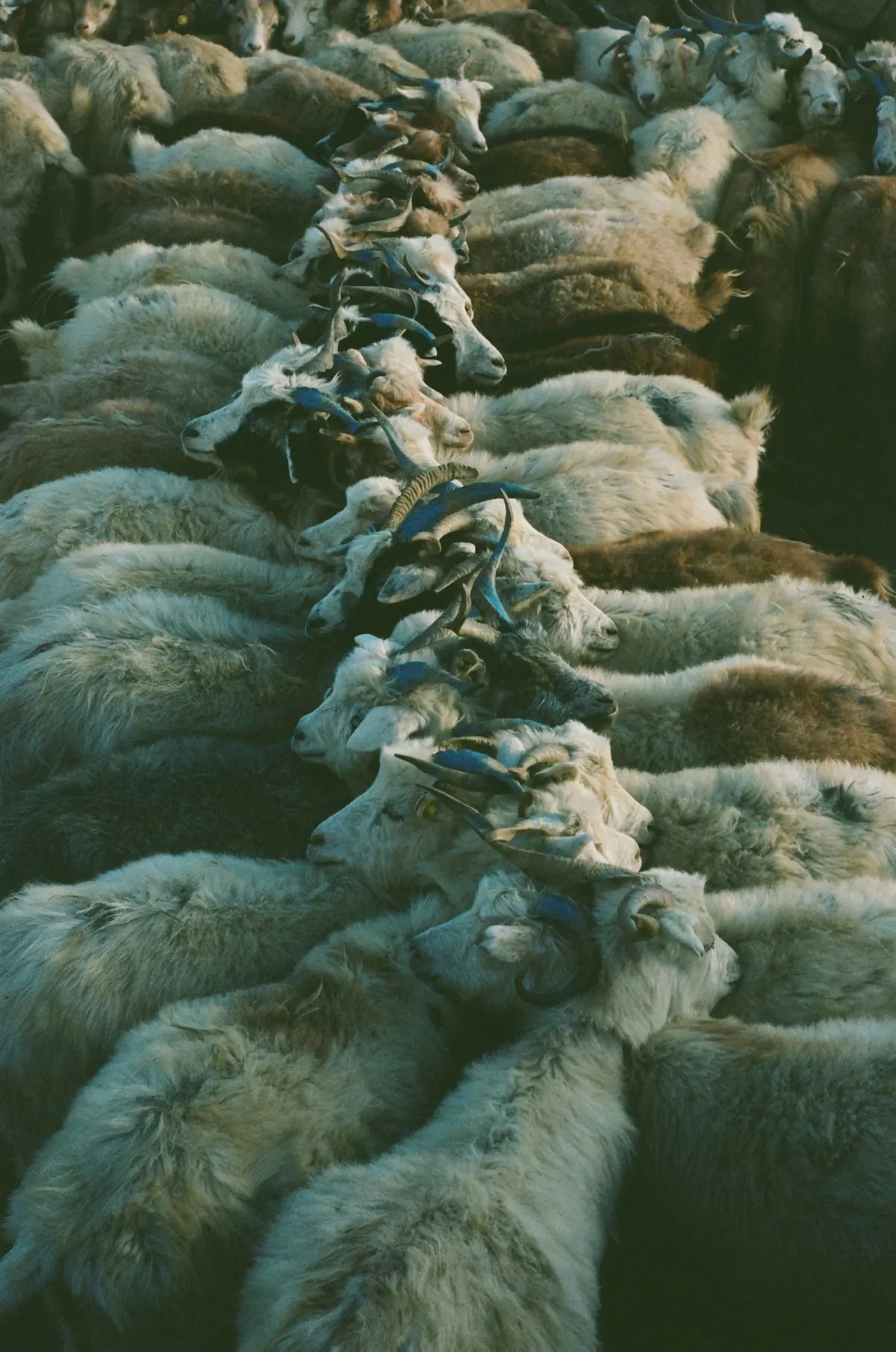
“In a village of Extremadura there was a goatherd, that is, a man who kept goats, and this goatherd, as I am telling you, was called Lope Ruiz, and this Lope Ruiz was in love with a shepherdess called Torralba, and this shepherdess called Torralba was the daughter of a rich herdsman, and this rich herdsman...”
The upshot, after much repetition, was that Torralba had grown too fond of Lope, or Lope too little fond of Torralba, the reasons were various and Sancho gave all of them, and Lope decided to leave the country for Portugal with his goats. Torralba followed him on foot, barefoot, with a staff and a bag around her neck, in which she carried, people said, a piece of mirror and half of a comb and some small pot of something for her face. Lope came to the river Guadiana, which was in flood, and found no ferry but a fisherman's boat so small it would hold only one man and one goat at a time.
“So he put one goat in the boat,” said Sancho, “and the fisherman rowed it across, and came back, and took another goat, and rowed it across, and came back. Your worship must keep count of the goats the fisherman takes across, because if one goat goes out of the count, the story ends and it is not possible to tell another word of it.” Then he went on: “And he came back, and took another goat...” and so on for a good while.
I said, “Assume they have all crossed. Otherwise you will not finish in a year.”
“How many have crossed so far?” Sancho asked.
“How the devil should I know?” I said.
“There,” said Sancho, “I told you to keep count. That is the end of the story. There is no going on with it.”
03 Dawn
At last the dawn came, grey and then gold, and Sancho untied the horse, and Rocinante, released from his enchantment, began to paw the ground, which I took as a good sign. I rode forward, commending myself to Dulcinea, with Sancho holding my stirrup and weeping. We followed the noise around a rock and into a little meadow among chestnut trees, at the foot of some cliffs, and there we found the cause of all that night's terror.
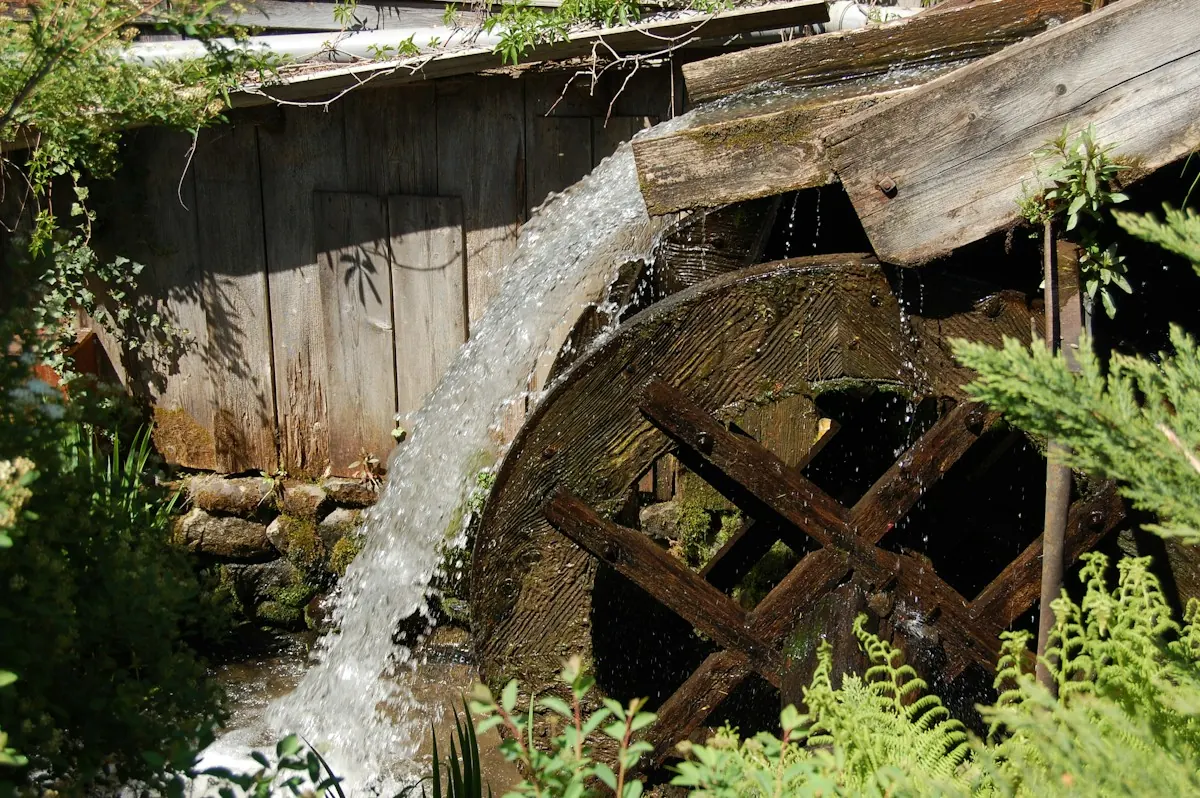
It was six fulling hammers. That is, six great wooden mallets of the kind used to beat cloth in a mill, driven by the stream, rising and falling one after the other on the wet cloth in a tumbledown shed, thump, and thump, and thump, exactly as they had all night.
I looked at them for some time. Sancho looked at me. Then he puffed out his cheeks and began to laugh, and laughed until he had to hold his sides, and I confess that, looking at him, I very nearly laughed as well. But then he began to imitate me, and to repeat my speech of the night before word for word, “I was born by the will of heaven in this age of iron,” and so on, and I struck him twice with my lance. I explained to him that a knight who meets an unknown sound in the dark is not obliged to know in advance whether it is a fulling mill. Had it been six giants, I said, he would have seen whether I flinched.
04 The helmet of Mambrino
It began to drizzle a little after that, and we were riding on, when I saw a man on horseback coming towards us wearing on his head something that shone like gold.
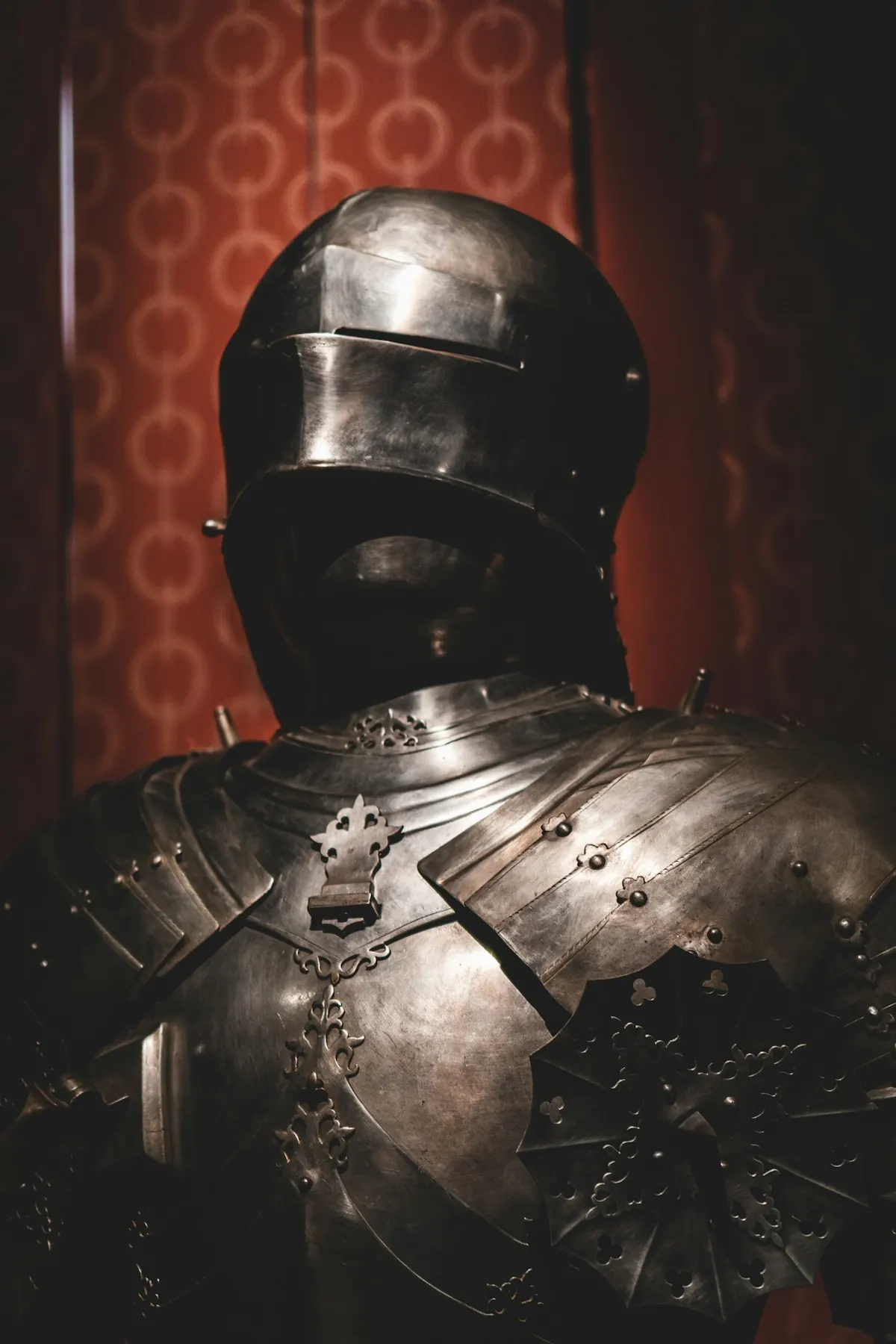
“Sancho,” I said, “if I am not mistaken, that man is wearing the helmet of Mambrino, about which I swore the oath you know of.” This was the helmet, sung in the books, that made its wearer invulnerable. I had sworn, after the Biscayan cut my own helmet to pieces, to take one like it from some other knight. Sancho said he saw only a man on a grey donkey like his own, with something bright on his head. I told him the grey donkey was a dappled steed and the bright thing was the helmet, and I lowered my lance and rode at the man at full gallop.
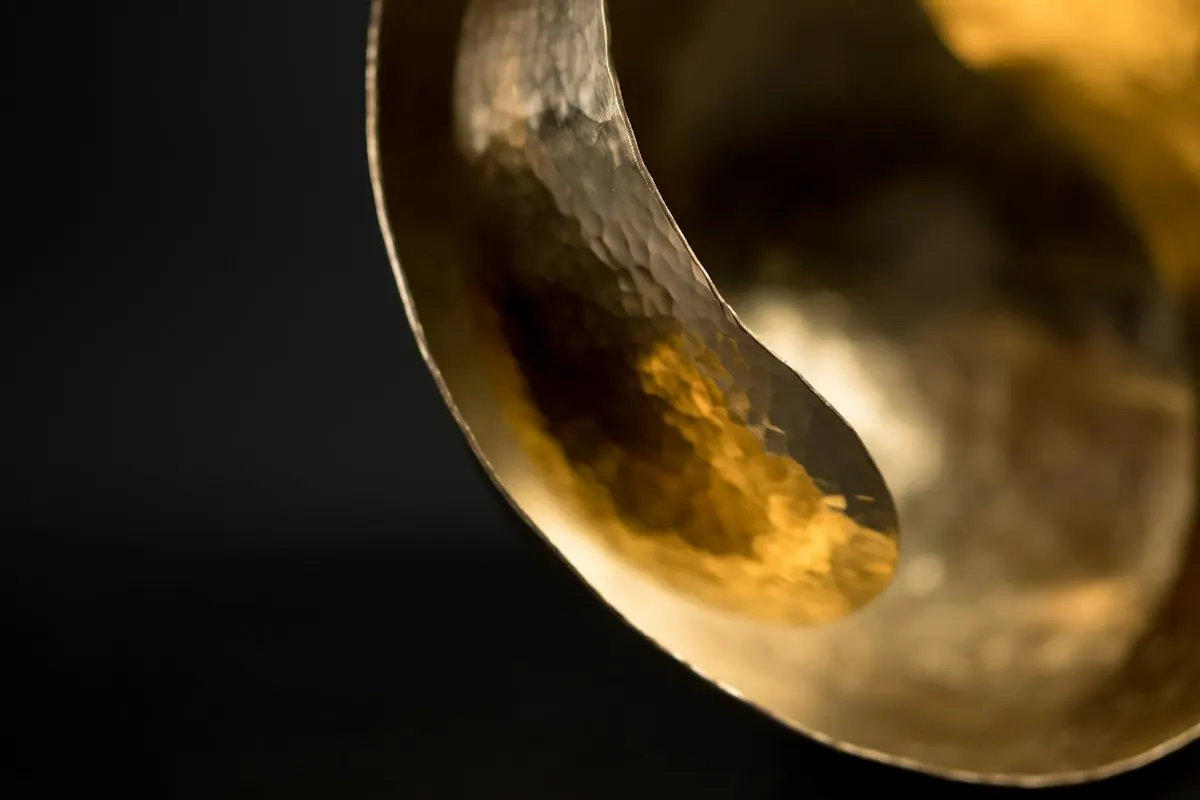
He was, as I later learned, a barber from a nearby village who had been called to bleed a sick man and to shave another, and who had put his brass basin over his hat to keep off the rain. Seeing me coming, he threw himself off his donkey and ran over the field faster than a deer, leaving the basin on the ground. I made Sancho pick it up. He weighed it in his hands and said it was a very good basin and worth eight reales, and he put it on my head.
It did not fit. It has no visor, and the brim sticks out in front. I turned it round and round looking for the visor and could not find one, and Sancho, seeing me, had to turn his face away and cough. I perceived at once what had happened. This famous enchanted helmet must at some time have fallen into the hands of someone who did not know its worth, and who, seeing it was of the purest gold, melted down half of it for profit and hammered the rest into this shape, which does indeed look, I grant, like a barber's basin. It does not matter. I will have it put right at the first village with a smith, and until then I shall wear it as it is, for it is better than nothing, and will certainly serve against stones.
Esteemed Cide Hamete Benengeli: on the matter of basin or helmet, I beg you to record both opinions and then to tell the reader which belongs to a knight and which to a squire.
A valley with fulling mills