
 Spain · Summer 1614
Part of: The second sally, with Sancho Panza · 5 of 10
5 · The plain of the two armies · 26 Aug · day trip
The armies that were sheep

Trip details
- When
- 20 Aug – 14 Sept 1614
- How long
- 26 days
- Who went
- Me, Sancho Panza, Rocinante and Dapple
- Stops
- 10
- Getting around
- On horse and donkey, home by ox-cart
On the twenty-sixth of August, still sore from the inn and from the blanket in which certain wicked enchanters had tossed my poor squire, we were riding over a plain when I saw a great cloud of dust rising ahead of us. A moment later another rose behind it, on the other side, and the two clouds were advancing towards each other.
“Sancho,” I said, “this is the day. This is the day on which my fortune will show what it has kept in store for me. Do you see that dust? It is raised by a vast army, made up of numberless and various nations, marching this way.” Sancho, shading his eyes, said in that case there must be two armies, for there was dust on the other side as well. I embraced him for his sharpness of sight. It was true. Two armies were about to clash on that very plain, and we had arrived precisely in time.
I explained the quarrel to him while we climbed a little hill for a better view. The army in front of us was led by the great emperor Alifanfarón, lord of the great island of Trapobana. The army behind it belonged to his enemy, the king of the Garamantas, Pentapolín of the Rolled-up Sleeve, so called because he always goes into battle with his right arm bare. They were at war because Alifanfarón was in love with Pentapolín's daughter, a most beautiful and gracious lady, and a Christian, and her father would not give her to a pagan lord unless he first renounced his false prophet. It was a just war, then, on Pentapolín's side, and I resolved to fight for him.
From the hill I named for Sancho the chief knights in both hosts, with their arms and devices, for I could see them all plainly through the dust. Sancho listened very attentively and kept turning his head this way and that, trying to see a single one of them. Here, for the benefit of future heralds, is what I told him.
| Knight | Army | Arms and device |
|---|---|---|
| Laurcalco, lord of the Silver Bridge | Pentapolín | Yellow armour, a crowned lion at the feet of a damsel |
| Brandalión the Unsleeping, duke of the Nine Fords | Pentapolín | A shield of white with an open eye, and the motto *I Watch* |
| Fermosel of the Ashen Lance | Pentapolín | Grey armour; his lance was burnt in a dragon's breath and never mended |
| The infante Ruy Carmesí of the Orchards | Pentapolín | Three pomegranates on a field of gold |
| Micocolembo, grand duke of Quirocia | Alifanfarón | Green armour flowered with gold, a cat on a field of tawny |
| Tremebundo the Bald, giant of the Leaden Hills | Alifanfarón | No device, for he carries a whole gate for a shield |
| Sulpicio Malacorte, count of the Bitter Marshes | Alifanfarón | A black heron eating a star |
| Ostrogán, lord of the Twelve Wells of Arabia | Alifanfarón | A white horse and a shield of serpent's hide |
Behind these, I told him, came the peoples who drink the sweet waters of the famous Xanthus, those who tread the Massilian plains, those who sift the gold dust of Arabia, those who enjoy the cool shores of the clear Thermodon, and those who drink from the Pactolus, and many more whose names would fill a book. I may have gone on for some time. Sancho said that for his part he could see none of these knights nor giants, nor any of their devices, and that perhaps it was all enchantment, like the ghosts of last night.
“How can you say that?” I said. “Do you not hear the neighing of horses, the call of trumpets, the roll of drums?”
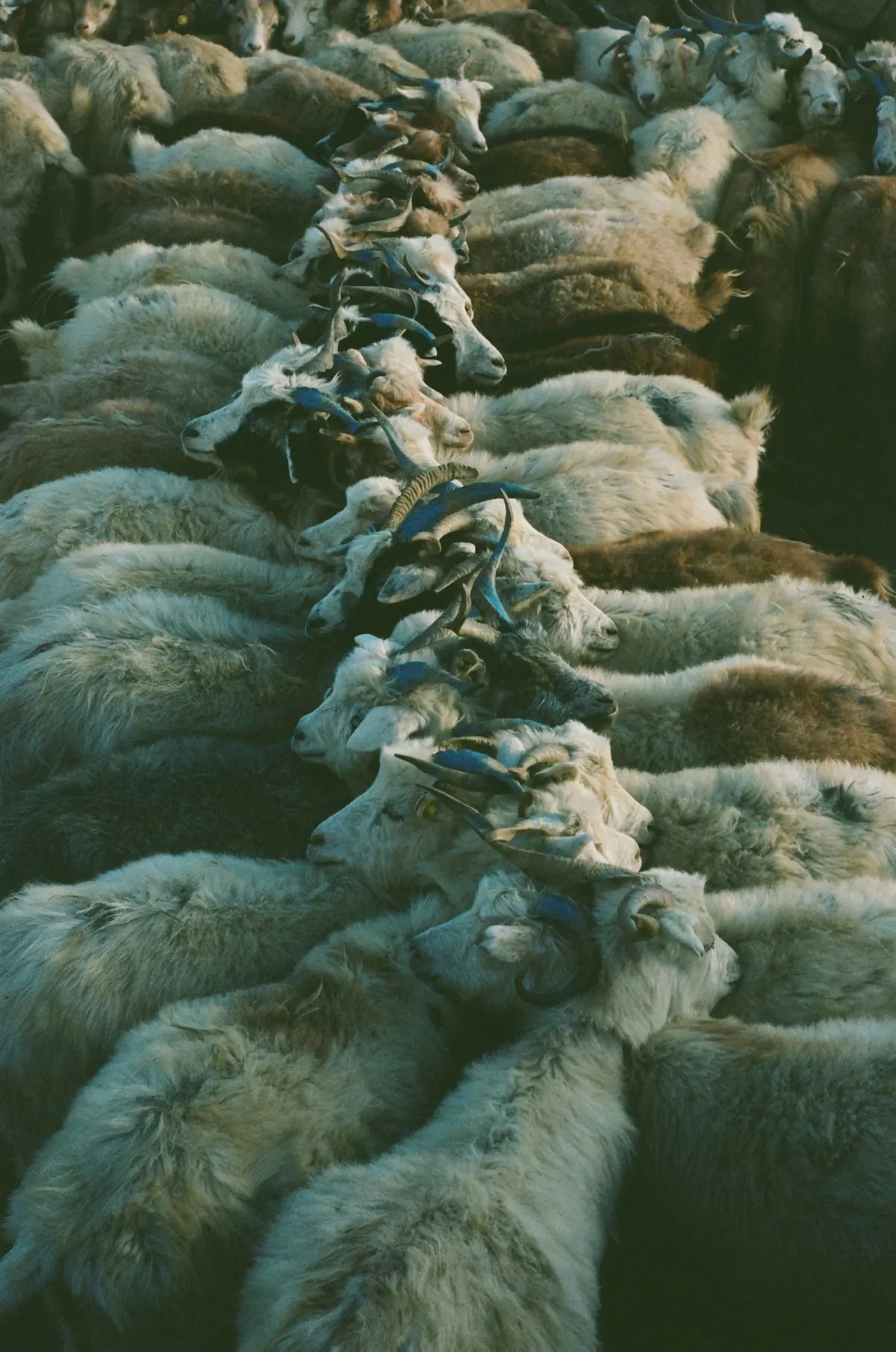
“I hear nothing,” said Sancho, “except a great deal of baaing.”
Which was, in a sense, true. The dust was by then quite near, and from inside it came a sound that a man might, if he were frightened, mistake for the bleating of sheep. I told him his fear was disturbing his senses, since that is one of the effects of fear, and that if he was so afraid he should stand aside and leave me to it. Then I put spurs to Rocinante and went down the hill with my lance couched like a thunderbolt.
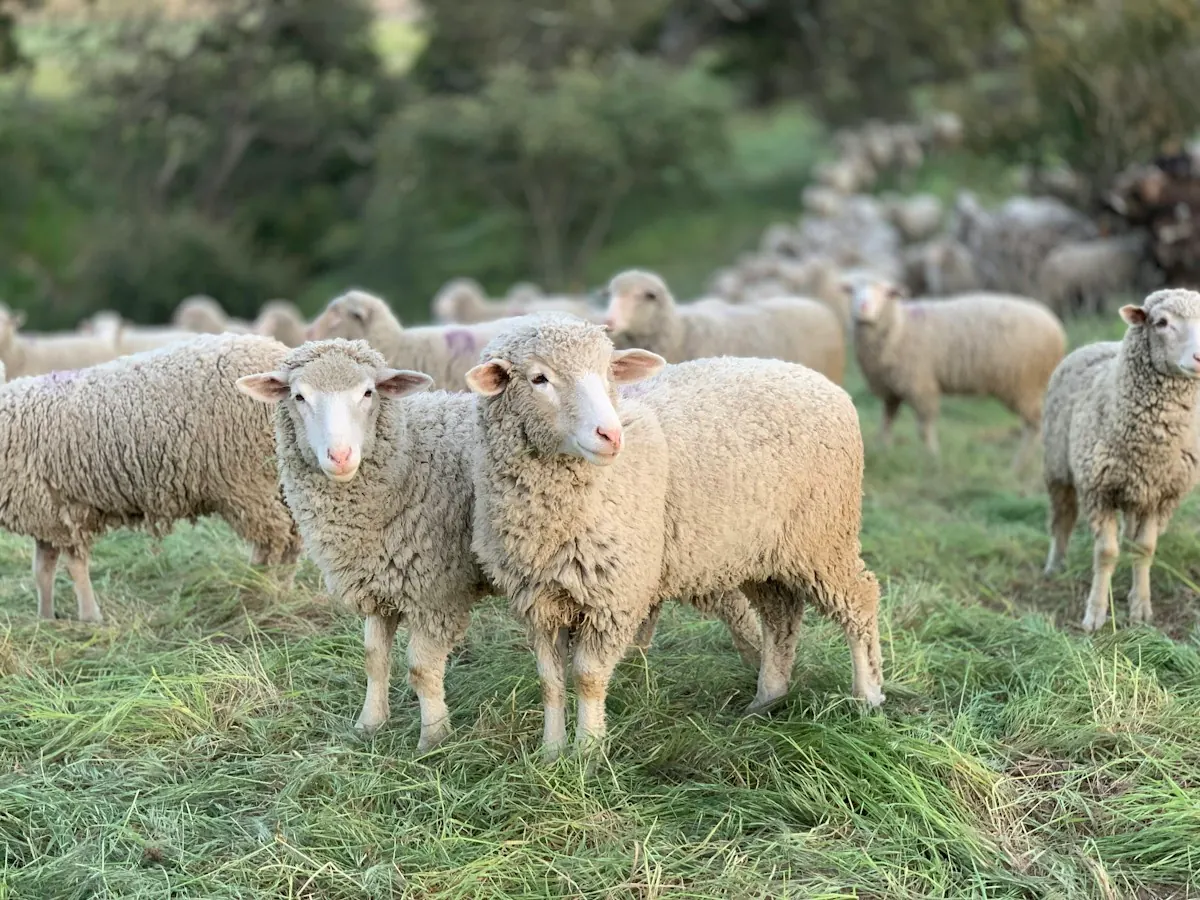
Sancho shouted after me, “Come back, your worship, I swear to God they are sheep! What madness is this? There is no giant, no knight, no cats, no arms, no shields quartered or whole, no anything!” I did not come back. I rode into the squadrons of the emperor Alifanfarón and began spearing them with as much courage as if they were my mortal enemies, and I called out for the proud Alifanfarón to come and face me.
He did not come. What came instead was a shower of stones. The shepherds and herdsmen who had been, I am now persuaded, set over these armies by the enchanters, shouted at me to stop, and when I did not, they loosened their slings. One stone struck me in the side and buried two ribs inside me. I took out my flask of the balsam of Fierabrás and drank, and while I was drinking a second stone arrived, struck the flask, smashed it, and took three or four teeth out of my mouth on its way past. I fell from my horse. The shepherds, fearing they had killed me, collected their flocks and their dead, which numbered some seven, and departed in great haste.
Sancho came down the hill tearing his beard and calling on heaven and on our village to witness that he had warned me. I told him that this was the work of that thief of an enchanter who persecutes me, who had turned the armies into flocks of sheep at the very moment of battle so as to rob me of the glory. If he did not believe me, I said, let him mount his donkey and follow the flocks for a little way, and he would see them turn back into men, sound and whole, as I had first described them. Sancho declined. He wished, instead, to look into my mouth and count the teeth that remained. There were fewer than he had hoped.
“A molar,” I told him, “is worth more than a diamond.” And I asked him to be careful, for the balsam that came back up when I was sick had got into his beard, and I was sorry for it.
To the learned Cide Hamete: in the matter of the eight knights listed above, I have given their arms exactly. Should any later historian report only sheep, he will have consulted the shepherds instead of me.
A plain in La Mancha